Ireland has a rich history of nationalism movements that have played a significant role in shaping the country's political and cultural landscape. From the struggle for independence from British rule to the ongoing pursuit of reunification, Irish nationalism has been a driving force behind many key events in the nation's history.
Category : | Sub Category : Posted on 2025-11-03 22:25:23
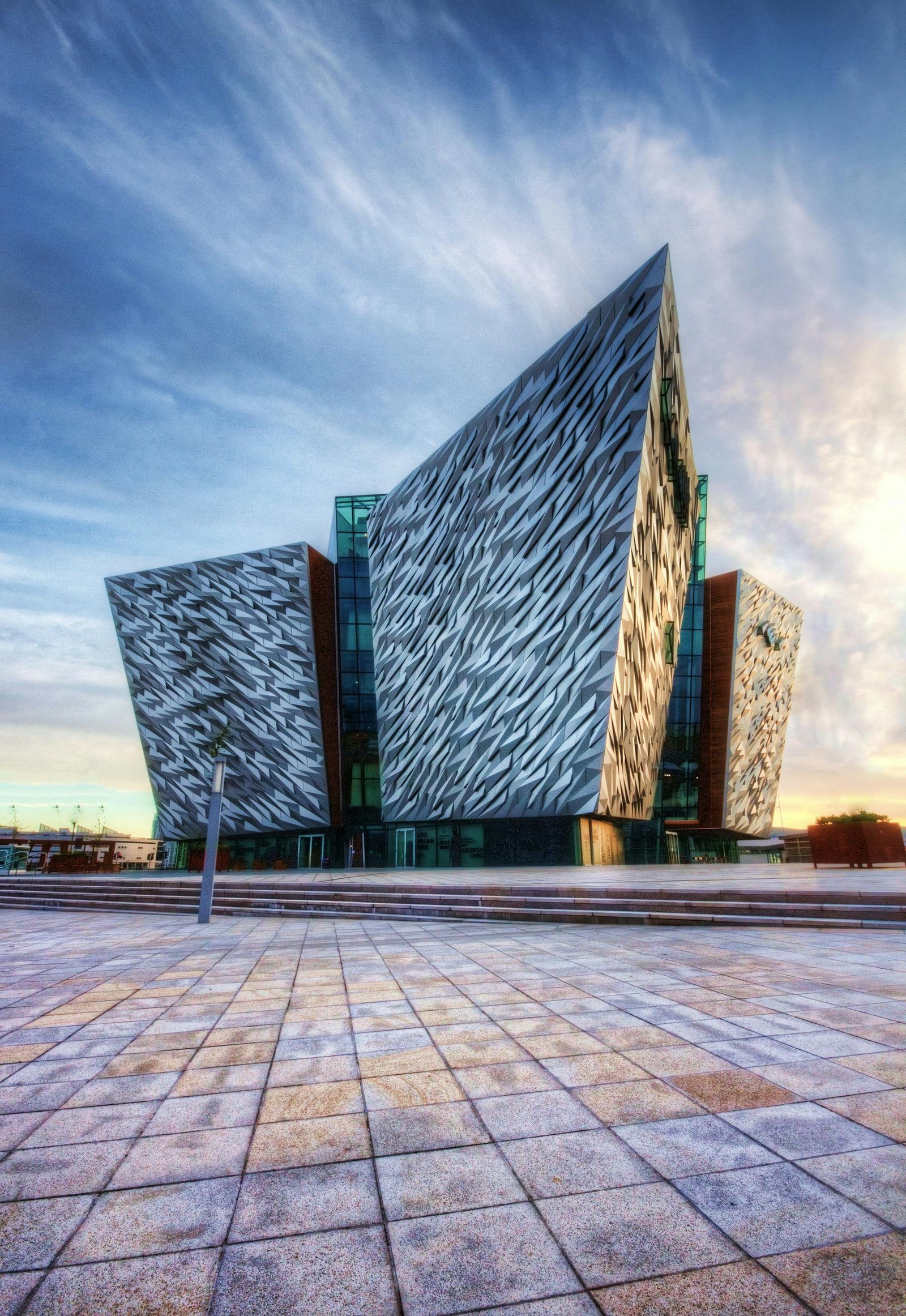
One of the most famous nationalist movements in Ireland's history is the Irish War of Independence, which took place from 1919 to 1921. During this time, Irish revolutionaries, led by figures such as Michael Collins and Eamon de Valera, fought against British forces in an effort to establish an independent Irish Republic. The war ultimately led to the signing of the Anglo-Irish Treaty in 1921, which established the Irish Free State and partitioned Ireland into two separate entities – Northern Ireland, which remained part of the United Kingdom, and the Irish Free State, which later became the Republic of Ireland. Despite the establishment of the Irish Free State, nationalist sentiment in Ireland remained strong, particularly in regards to the partition of the country. The campaign for reunification of Ireland has been a key focus of nationalist movements in both the Republic of Ireland and Northern Ireland, with groups such as Sinn Féin and the Irish Republican Army (IRA) advocating for a united Ireland. In recent years, nationalist movements in Ireland have continued to evolve, with issues such as Brexit and the Good Friday Agreement shaping the political landscape. The Brexit vote has raised concerns about the impact on the border between Northern Ireland and the Republic of Ireland, with many fearing a return to a hard border and potential destabilization of the peace process. Overall, nationalism movements in Ireland have played a crucial role in shaping the country's history and identity. Whether fighting for independence from British rule or advocating for reunification, Irish nationalism continues to be a powerful force driving political and cultural change in the country. Explore this subject in detail with https://www.departements.org For a different angle, consider what the following has to say. https://www.regionales.net
Leave a Comment:
SEARCH
Recent News
- Zurich, Switzerland is a bustling business hub that attracts companies from all over the world, including top Irish companies. The city's strategic location, strong economy, and high standard of living make it an appealing destination for Irish businesses looking to expand their global reach.
- Zurich, Switzerland is a vibrant city known for its bustling business scene and networking opportunities. For Irish professionals looking to expand their connections and explore business prospects in Switzerland, the Irish Business Networking community in Zurich offers a valuable platform.
- Zurich, Switzerland is a vibrant city known for its stunning natural landscapes, rich history, and thriving business scene. It’s no wonder that many businesses from around the world choose to establish a presence in this bustling metropolis. One such group of entrepreneurs making waves in Zurich is the Irish business community.
- Zurich, Switzerland and Ireland: A Look into International Trade
- Top Irish Companies Leveraging YouTube Content Creation and Translation
- Creating YouTube Content and Translating for Irish Business Networking
- YouTube Content Creation and Translation for Irish Businesses
- Creating YouTube content and the vital role of translation in Ireland's international trade
READ MORE
11 months ago Category :

Zurich, Switzerland is a bustling business hub that attracts companies from all over the world, including top Irish companies. The city's strategic location, strong economy, and high standard of living make it an appealing destination for Irish businesses looking to expand their global reach.
Read More →11 months ago Category :

Zurich, Switzerland is a vibrant city known for its bustling business scene and networking opportunities. For Irish professionals looking to expand their connections and explore business prospects in Switzerland, the Irish Business Networking community in Zurich offers a valuable platform.
Read More →11 months ago Category :

Zurich, Switzerland is a vibrant city known for its stunning natural landscapes, rich history, and thriving business scene. It’s no wonder that many businesses from around the world choose to establish a presence in this bustling metropolis. One such group of entrepreneurs making waves in Zurich is the Irish business community.
Read More →11 months ago Category :
