Irish Independent
Craanford-Monaseed score freely to claim LGFA Minor crown at Ballyhogue's expense
Craanford-Monaseed 6-19 Ballyhogue 0-7
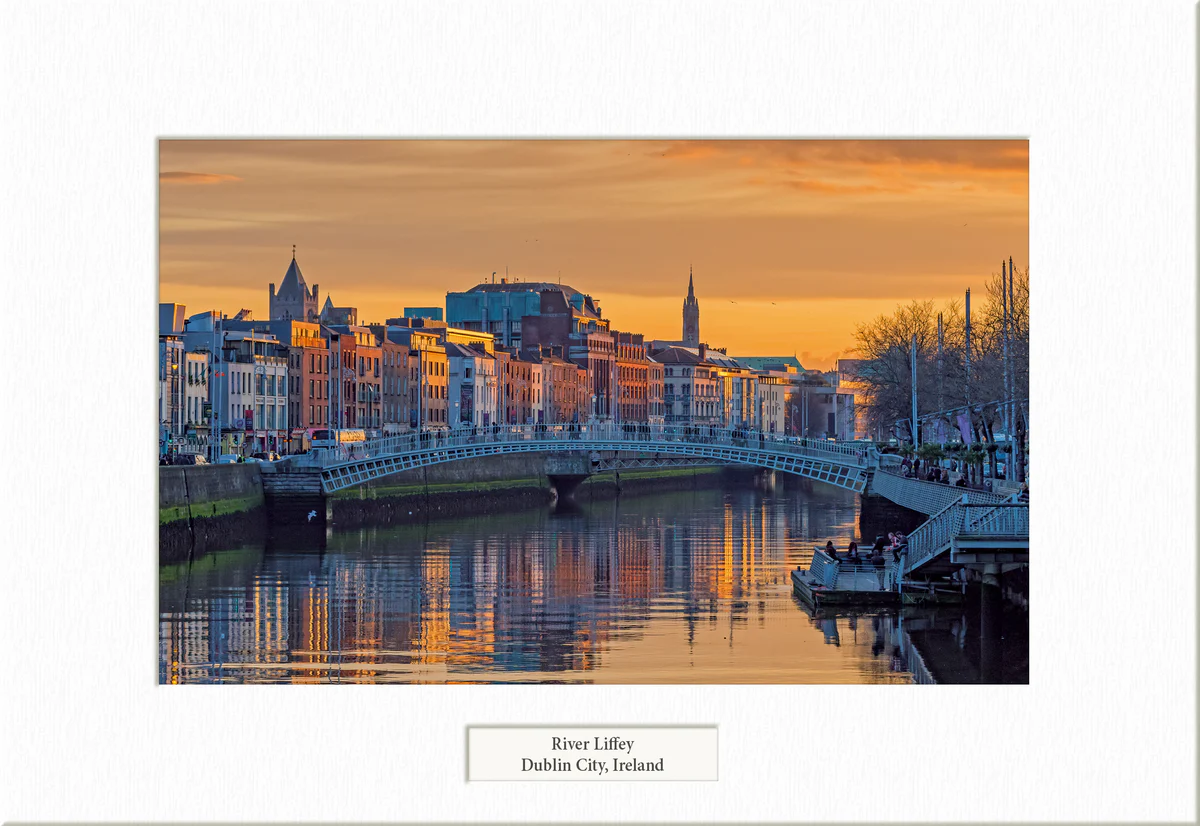

Ireland is an island in the North Atlantic Ocean, in Northwestern Europe. Geopolitically, the island is divided between the Republic of Ireland and Northern Ireland. It is separated from Great Britain to its east by the North Channel, the Irish Sea, and St George's Channel. Ireland is the second-largest island of the British Isles, the third-largest in Europe, and the twentieth-largest in the world. As of 2022, the population of the entire island is just over 7 million, with 5.1 million in the Republic of Ireland and 1.9 million in Northern Ireland, ranking it the second-most populous island in Europe after Great Britain.
Dublin, Galway, Cork, Killarney, Ring of Kerry, Cliffs of Moher, Kilkenny, Waterford, and real life across Ireland in 4K
Real YouTube travel footage with working watch links for every video.
Capital-city walking tours, historic streets, pubs, and urban sightseeing.
West-coast energy, music, street life, and vibrant city-center walks.
Southern city streets, local charm, and strong urban travel footage.
National park views, town walks, and Ring of Kerry road-trip scenery.
This Ireland video page is built for visitors who want real places, real streets, and real travel footage. It focuses on the most searched destinations in Ireland, including Dublin, Galway, Cork, Killarney, the Ring of Kerry, Kilkenny, and Waterford.
A real walking tour through Dublin showing central streets, landmarks, and everyday city life in Ireland’s capital.
A lively Dublin city-center walk with pubs, streets, and a classic capital-city atmosphere.
A calm historic Dublin walk showing the city centre, old streets, and architectural detail.
A Dublin walking tour focused on busy streets, pubs, and the city’s social energy.
A summer Dublin walk with bright weather, city streets, and a travel-day feel.
A narrated Dublin walking tour with a broad look at the city and its history.
A 4K HDR city walk through Dublin with strong street-level details and urban atmosphere.
A Dublin travel vlog showing city attractions, walking routes, and sightseeing highlights.
A real walking tour through Galway showing the city center, streets, and west-coast Irish atmosphere.
A detailed Galway walk with city-center movement, local shops, and vibrant street life.
A smooth 4K 60fps Galway walk with high-quality city scenes and a relaxed pace.
A modern Galway walking tour showing the city in crisp 4K Ultra HD.
A seasonal Galway walk with market atmosphere, festive streets, and city-center charm.
A captioned Galway tour showing the city’s streets and cultural atmosphere.
A second Galway walking tour with more city-center views and local street detail.
A high-definition Galway walk with lively streets and a classic Irish-west feel.
A real walking tour through Cork showing the city centre, streets, and local life.
A detailed Cork walk with urban street scenes and a casual city atmosphere.
A real-time Cork street walk showing the city’s daily rhythm and atmosphere.
A Cork walking tour focused on city streets, culture, and hidden corners.
A broader Cork city tour with major streets and sightseeing-style footage.
A smooth 4K 60fps walk through Cork with street-level Irish city life.
A modern Cork city-center walk filmed in 2025 with clear downtown scenery.
A compact Cork walking tour shot in 4K with a clean street-level perspective.
A 2024 Cork city walk showing updated street scenes and urban detail.
A Cork HDR walking tour with a polished look at the city and Munster’s urban core.
A real walking tour of Killarney showing the town center, Kerry scenery, and tourist streets.
A peaceful Killarney walk with ambient sounds and natural town scenery.
A High Street walk through Killarney with crisp 60fps motion and local street life.
A Killarney tour combining walking and biking footage with town and park atmosphere.
A scenic walk through Killarney National Park with lakeside and forest views.
A calm Killarney walk with nature sounds and a relaxed travel mood.
A straightforward walking tour through Killarney’s town center and local streets.
A charming Killarney walk with a traditional Irish touch and town-center views.
A tourist-town Killarney video with Kerry scenery and a classic Irish travel feel.
A local Killarney alley and lane walk showing the town’s quieter side.
A scenic travel documentary covering many of Ireland’s most beautiful places.
A broad cinematic tour through Ireland’s landscapes, towns, and travel highlights.
A practical Ireland itinerary video showing how to travel the country in two weeks.
A highlights video with Killarney National Park, West Cork, the Cliffs of Moher, Galway, and Dublin.
A long-form guide to Ireland’s top scenic and historic destinations.
A travel guide covering castles, cliffs, and some of Ireland’s best-known places.
A cinematic journey through castles, cliffs, and hidden Irish landscapes.
A road-trip itinerary featuring the Cliffs of Moher, Killarney, and other Irish highlights.
A best-places guide to Ireland with major cities, parks, and scenic stops.
A high-resolution cinematic look at cliffs, green hills, and timeless Irish landscapes.
A cinematic 4K Ireland travel film showing some of the country’s most beautiful places.
A scenic road trip through the Ring of Kerry with classic Irish countryside views.
A one-day Ring of Kerry road trip with driving and walking highlights.
A scenic travel film featuring Kilkenny, Waterford, and the south coast of Ireland.


